



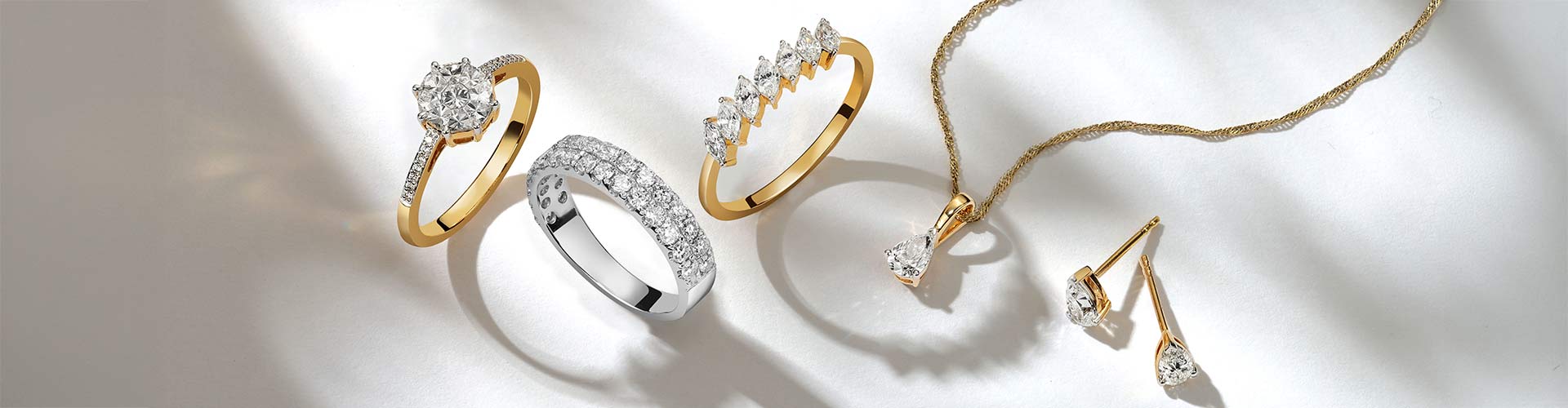

Building a versatile lab grown diamonds jewelry collection starts with five to seven neutral metal pieces that match every outfit you already own. You don’t need dozens of items; you need interchangeable basics in one consistent metal tone that work for both casual and formal occasions without looking mismatched or incomplete.
Which Jewelry Pieces Build Your Collection?
A functional core collection relies on specific categories rather than trendy items. These essentials cover 90% of daily styling needs because they balance visibility with neutrality. If a piece doesn’t pair with at least three outfits in your current wardrobe, it isn’t foundational.
- Stud earrings: smallor balls, 4-6mm in diameter, sit flush against the earlobe and disappear into professional settings while adding polish to weekend wear.
- Simple chain necklace: A 16–18-inch cable or box chain in your chosen metal sits at the collarbone and layers easily under shirts or over dresses without tangling.
- Huggie hoops: These small, thick hoops hug the ear closely and won’t catch on hair or masks, making them safer for active days than dangling styles.
- Signet or band ring: A plain metal ring without stones wears comfortably next to other rings and resists scratching during hand washing or typing.
- Link bracelet: A medium-weight chain bracelet with a secure clasp adds wrist presence without the noise or fragility of bangles and charms.
Tip: Buy your first three pieces from the same maker or line to guarantee the metal shade matches exactly across earrings, necklaces, and rings.
How Do I Choose Between Gold and Silver?
Pick one primary metal based on your most-worn clothing colors, not your skin undertone, since fabric contrast matters more for daily coordination. Warm-toned wardrobes with browns, creams, and olives align best with yellow gold, while cool-toned closets full of black, navy, gray, and white pair naturally with silver or white gold. Rose gold sits between these extremes and works if your wardrobe mixes warm and cool neutrals equally.
You aren’t locked into one metal forever, but starting with two metals doubles your initial cost and creates mismatched sets. The Gemological Institute of America notes that alloy composition determines metal color and durability, meaning vermeil or plated pieces in different tones may wear unevenly over time. Committing to one base metal ensures all future additions coordinate seamlessly and age at the same rate.
Why Does My Collection Still Feel Incomplete?
Your collection feels disjointed when pieces vary too much in scale, finish, or metal purity even if they’re technically the same color. Three specific mismatches cause this problem most often, and each has a simple fix that doesn’t require buying new items.
The finishes clash despite matching metal
Mixing high-polish, matte, brushed, and hammered textures in one outfit creates visual noise. Stick to one dominant finish for your core five pieces and reserve contrasting textures for single statement items you wear alone.
The proportions fight each other
Wearing delicate chains with chunky rings or oversized hoops with thin bracelets unbalances your silhouette. Match the visual weight across all worn pieces; if your earrings are substantial, choose a thicker chain and wider band to maintain harmony.
The metal tones drift apart
Gold-filled, vermeil, solid gold, and brass all read as “gold” in product photos but look distinctly different side by side. Check the exact karate and plating thickness before purchasing add-ons and compare new pieces against your existing ones in natural daylight rather than store lighting.
Frequently Asked Questions
Can I mix metals once my foundation is set?
Yes, after establishing five matching base pieces. Introduce the second metal through one intentional accent item like a two-tone watch or mixed-metal lab grown diamonds Manchester ring, keeping the primary metal dominant so the combination looks deliberate rather than accidental.
How much should I budget for starter pieces?
Focus on price-per-wear instead of total cost. Five durable pieces worn weekly justify higher individual spending than twenty cheap items that tarnish quickly, so allocate your budget toward solid metals or thick plating for the core essentials first.
Should I buy sets or individual pieces?
Buy individuals unless the set guarantees exact metal and finish matching. Pre-packaged sets often include filler items you won’t wear, whereas selecting pieces separately lets you skip redundant categories and invest more in the staples you’ll use daily.
Conclusion
Audit your current jewelry box today and identify which of the five foundation categories you’re missing. Purchase that single gap-filling piece in your chosen metal before adding any decorative or seasonal items to ensure every future buy strengthens your collection’s versatility.